A drawer of microfiche can hold decades of property files, patient records, engineering documents, or legal history. It can also become a bottleneck the moment someone needs one specific image quickly. Microfiche conversion services turn those hard-to-access archives into organized digital files while protecting the information that still matters to your operation.
For organizations managing high volumes of records, conversion is not simply a storage project. It is an access, risk-management, and continuity decision. The right process makes documents easier to find, preserves readable copies of aging media, and gives your team a practical plan for handling requests without pulling cards from a cabinet one at a time.
Why microfiche still creates operational risk
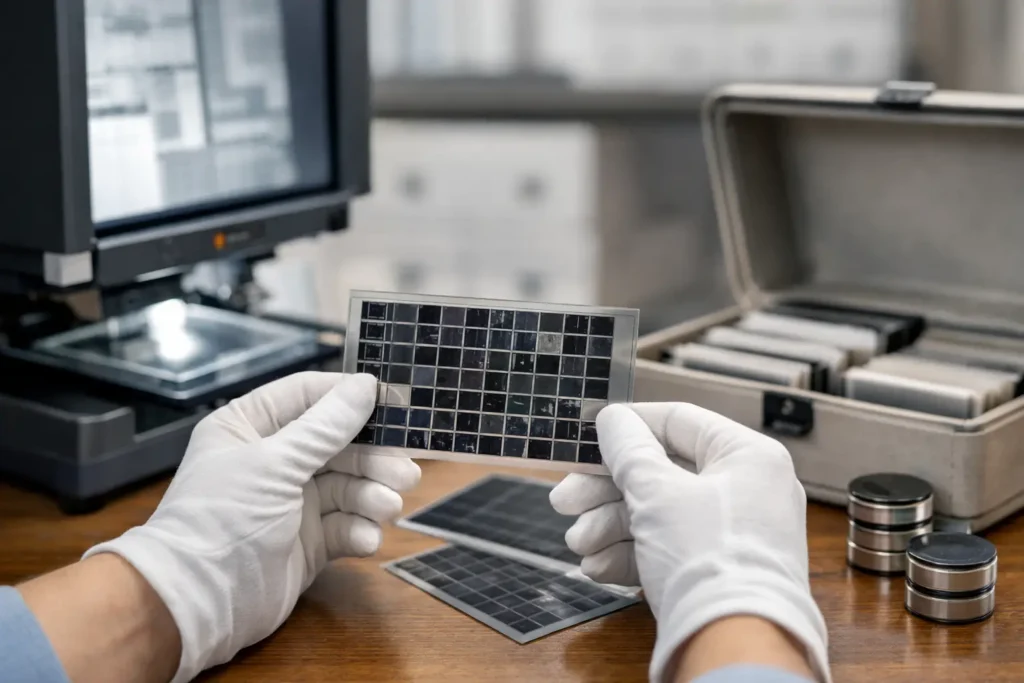
Microfiche was built for compact, long-term storage. A single sheet can contain dozens of reduced images, allowing an organization to store an enormous paper archive in a relatively small physical footprint. That efficiency was valuable, but the format depends on specialized readers, careful handling, and staff who know exactly where to look.
The problem is rarely that a company has microfiche. The problem is what happens when a record must be retrieved under pressure. A patient request, an audit, a property dispute, a litigation hold, or an internal research question can turn a simple search into hours of manual work. If the reader is outdated, the fiche is poorly labeled, or the original image has faded, the delay becomes more than an inconvenience.
Physical media also has limits. Heat, moisture, scratches, dust, and repeated handling can reduce image quality over time. A digital version does not replace the need for sensible retention practices, but it gives authorized users a usable working copy and reduces unnecessary handling of the original archive.
What professional microfiche conversion services include
A dependable conversion project begins before the first fiche is scanned. The provider should assess the collection, identify fiche formats and conditions, and establish how the final files will be named, indexed, reviewed, and delivered. Those early decisions determine whether the converted archive will actually be useful six months later.
Preparation and image capture
Each fiche should be handled carefully and scanned with equipment designed for microform media. Image settings need to match the source material. Poor exposure, improper focus, or an incorrect reduction ratio can make a file technically complete but difficult to read.
Image capture may produce TIFF, PDF, or another agreed-upon format. TIFF is often appropriate when organizations need a preservation-oriented image file, while searchable PDF can be more practical for routine office access. The best choice depends on how your team will retrieve, review, share, and retain records after conversion.
Indexing that supports real retrieval
Scanning without an indexing plan is often just a faster way to create a new pile, this time on a server. Strong indexing connects each image to the fields people actually use to find records, such as patient name, account number, matter number, document date, drawing number, address, or department.
The appropriate index depth depends on the archive. For a small, well-organized collection, a fiche-level index may be enough. For legal, healthcare, engineering, or records-request workflows, organizations may need more detailed document-level indexing. More detailed indexing takes more time and budget, but it can substantially reduce future search time.
Quality control and exception handling
Quality control should be built into the workflow, not added after the project is supposedly finished. Reviewers need to confirm image legibility, page order, orientation, file naming, and index accuracy. They should also identify fiche that are damaged, too faint to capture cleanly, duplicated, or missing expected content.
No archive is perfect, especially one that has been used for years. A capable provider documents exceptions clearly so your team can decide whether to rescan, locate an alternate source, retain the original for reference, or mark the record as unavailable. That transparency is especially valuable when records may later be needed for compliance or legal review.
Plan the project around how records are used
The most successful microfiche conversion projects start with a practical question: who needs these records, and what will they need to do with them? The answer affects the file format, indexing approach, security controls, and delivery method.
A healthcare administrator may prioritize patient identifiers, secure handling, and efficient response to records requests. A law firm or corporate legal department may need matter-based organization, defensible quality procedures, and coordination with litigation-support workflows. An engineering or facilities team may need quick access to historical plans, maintenance records, or site documentation that supports active projects.
It is also worth separating active records from long-term reference material. Converting the entire archive at once can be the right choice when storage space is limited or access needs are broad. In other cases, a phased project is more practical: convert frequently requested records first, validate the workflow, then move through the remaining archive in controlled batches.
Questions to settle before conversion begins
A clear project scope prevents avoidable surprises. Before sending microfiche out for conversion, determine the approximate volume, the record types involved, and whether the collection is already organized by date, number, or category. If labels are inconsistent, that should be addressed in the project plan rather than discovered halfway through production.
You should also decide where final files will live. Some organizations need files loaded into an existing document-management system. Others need secure delivery on an approved device or through a controlled transfer process. File delivery is not an afterthought. It is part of making the converted archive available to the people who need it without creating unnecessary exposure.
Retention requirements deserve the same attention. Digitizing a fiche collection does not automatically mean the originals can be destroyed. Requirements may be shaped by industry regulations, internal policies, active litigation, audit needs, or the evidentiary value of the original source. Your legal, compliance, and records-management teams should establish disposition rules before any originals are discarded.
Security and chain of custody matter
Microfiche can contain sensitive personal, financial, medical, legal, or technical information. A conversion provider should have clear procedures for pickup, transport, controlled production access, and secure return or disposition of original materials. For confidential projects, documented custody from the moment records leave your site is a sensible expectation.
Security also includes project communication. Your provider should know who is authorized to approve scope changes, answer content questions, and receive final files. A dedicated account manager can keep that communication moving, particularly when a project involves multiple departments or a time-sensitive records request.
For organizations in the Houston area, local pickup and delivery can reduce the coordination burden of moving large or sensitive archives. It also gives your team a direct point of contact when project details need attention quickly.
Choosing a provider for microfiche conversion services
Price matters, but the lowest per-image number does not always reflect the true cost of a conversion project. A quote should make clear what is included: preparation, scanning, image enhancement, indexing, quality review, file delivery, and treatment of damaged or difficult fiche. If those details are vague, budget surprises and inconsistent output are more likely.
Look for a provider that can explain its quality-control process in plain language and adapt it to the value of your records. A historical reference archive may require a different review level than medical records supporting daily requests or documents connected to a pending case. The provider should be able to recommend a workable approach without pushing unnecessary complexity.
It also helps to work with a team that understands the document lifecycle beyond scanning. The Document Group supports organizations that need conversion alongside commercial printing, legal copying, e-discovery support, and ongoing document production. That broader experience can be useful when old records are part of an active operational, legal, or technical workflow rather than a standalone storage project.
Make the archive easier to use, not just easier to store
The goal is not to create thousands of files that nobody can locate. It is to give your team a dependable way to retrieve information when timing matters. Start with a defined index, realistic quality standards, appropriate security controls, and a provider that takes ownership of the details. A well-planned conversion can turn an overlooked cabinet of microfiche into a working record resource your organization can rely on.